Thoughts on 2025
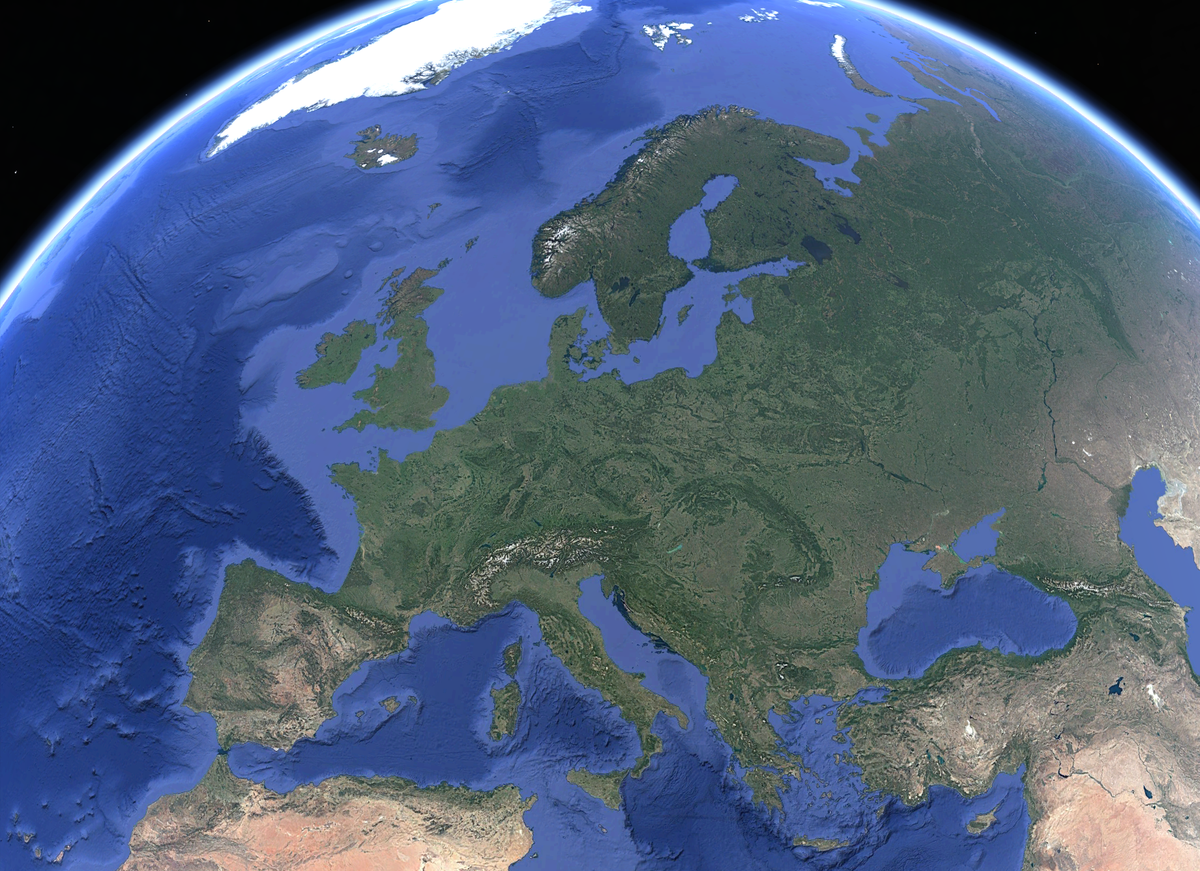
2025 has ended. What a strange year! A historically strange time to be alive, and even more unusual in our lifetimes. Many things turned upside down in how the world behaves.
The usual western countries that were seen as the epitomes of stability and prosperity are almost all - on some level - going through political, societal, and often economic crises. Talking about the UK, France, US, and to a lesser extent Germany.
On the other end, there are the countries that are generally seen as laggards at best, and complete basket cases at worst: Italy, Spain, Poland. These were the countries that got the best press this year.
With Georgia Meloni managing to keep her coalition in line, and holding them back from their worst instincts, she became the face of a growing Italian influence in Europe via political stability and a constructive approach for the European Union, which might very well become a recipe to follow for the continent’s self-proclaimed “populist” forces.
Poland and Spain are both doing well economically, and their politics are largely and relatively stable despite some difficulties.
Still, the most interesting change happened with the case of Germany. The country entirely changed how it sees itself in Europe, and the world. It used to be the country strictly opposing debt, especially common European debt, but now it is slowly getting on board. The reason is the last thing you’d have thought pre-2022: for military spending. Herr Merz, after winning the elections and raising the debt break (Schuldenbremse) to invest €500 billion in infrastructure, and increase its defence budget, famously said in March “Germany is back!” - a message to Europe and the rest of the world that Germany is ready to take responsibility for the defence and leadership of the continent. Something that German leaders always dreamed of before 1945, and strictly opposed even thinking about it after. It is now given to Merz as a difficult responsibility to bear, and the German nation is reluctantly having to go along with it.
Sometimes you get what you want only after you give up on it. Other times when you get what you always wanted turns out to be the point where things start turning for the worse. There are two shining examples for this from the past year.
One has to do with finance, specifically the crypto space. The crypto industry often found itself at odds with governments and regulations, first had to fight for its survival, then to curb unfriendly policies.
This has all changed at the end of 2024, and crypto could not only breathe a sigh of relief, but declare total victory. In Trump, they couldn’t have asked for a better ally. He was fully on board to make the US the “crypto capital of the world.” What probably motivated him, was all the capital he can tap into, political and financial. It’s not only useful to gain votes, but an army of traditionally libertarian leaning hardcore-believers in crypto with lots of accumulated wealth is a useful political resource.
The other part of it was, that it’s an effortless way for him to syphon money from the pockets of these people to his own by pump and dump schemes like Trump coin, and Melania coin.
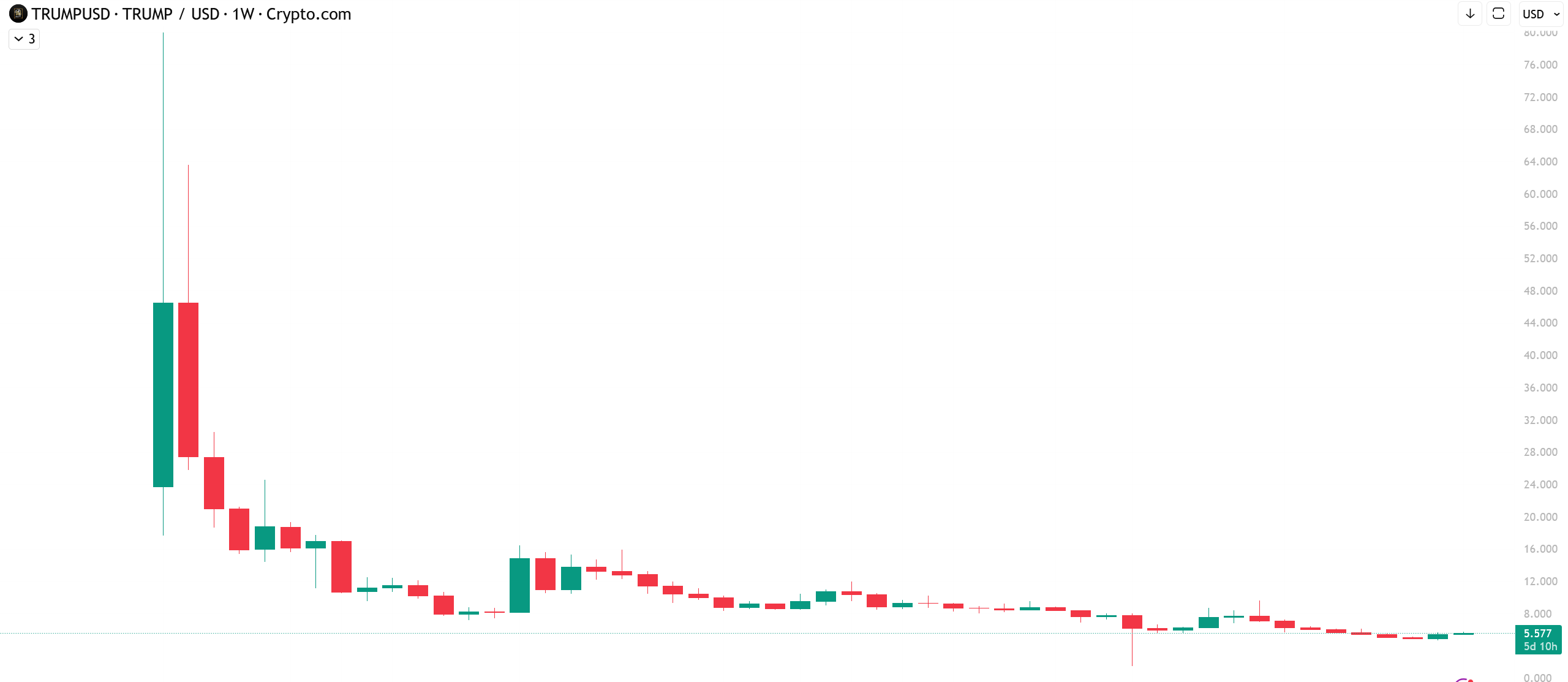
The crypto community got everything they ever wanted. A US president who embraces them, pushes their narrative, owns crypto, promises to keep on purchasing and “pumping” crypto, and even creating a US “Strategic Bitcoin Reserve.” And yet in 2025 the Total Crypto Market Cap (TOTAL) finished down -8%. In a year, that according to the traditional 4-year bitcoin market cycle theory was supposed to be the best period for the asset class, and in a year when the AI boom carried the American stock market to new all-time highs.
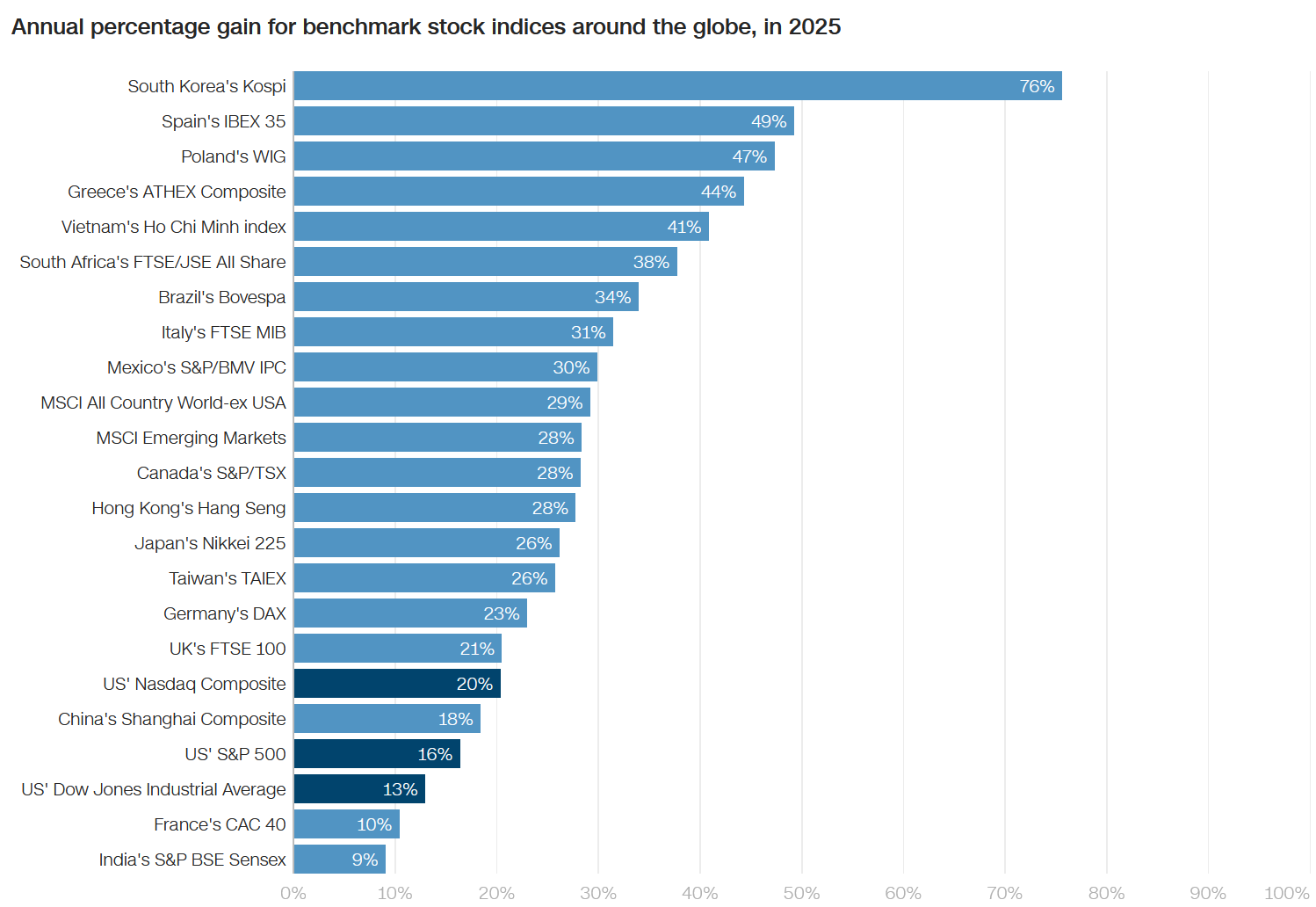
Even though it was surprisingly outperformed by most European (and a lot of other international) indexes, in a large part due to the capital flight from US markets into Europe, and new investments in the defence sector.
The other striking example of having your long-time dreams come true and getting everything you ever wanted was the case of Viktor Orbán. He had dismantled all the opposition in his country in the past 15 years, and won every single election and referendum since 2008. He managed to keep Russia and Putin as a close ally despite their 2022 invasion, even as it lead him to get increasingly isolated on the world stage, and especially on the continent.
This bet must have felt to have turned out magnificently in 2024 November, as the Americans re-elected his dream candidate, Donald Trump, with even more votes than in 2016 (which he surpassed in sheer number of votes in his 2020 defeat - despite all the scandals he had managed to increase his vote count in every single election so far).
The world absolutely turned upside down, it was ripe for Orbán-like figures to finally have their day on the sun, and catapult to power all around the world.
He had close friends in the White House, the Kremlin, in neighbouring Slovakia, and Romania and Czechia seemed all but certain to follow suit this year, and then France, the UK, maybe even Germany! Their far-right is being legitimised and pushed by none other than the President and the Vice President of the United States, the richest man on the planet, and Vladimir Putin’s Russia with its whole wartime apparatus.
Nothing could stop this wave! He was finally on top of not only his country, but the world.
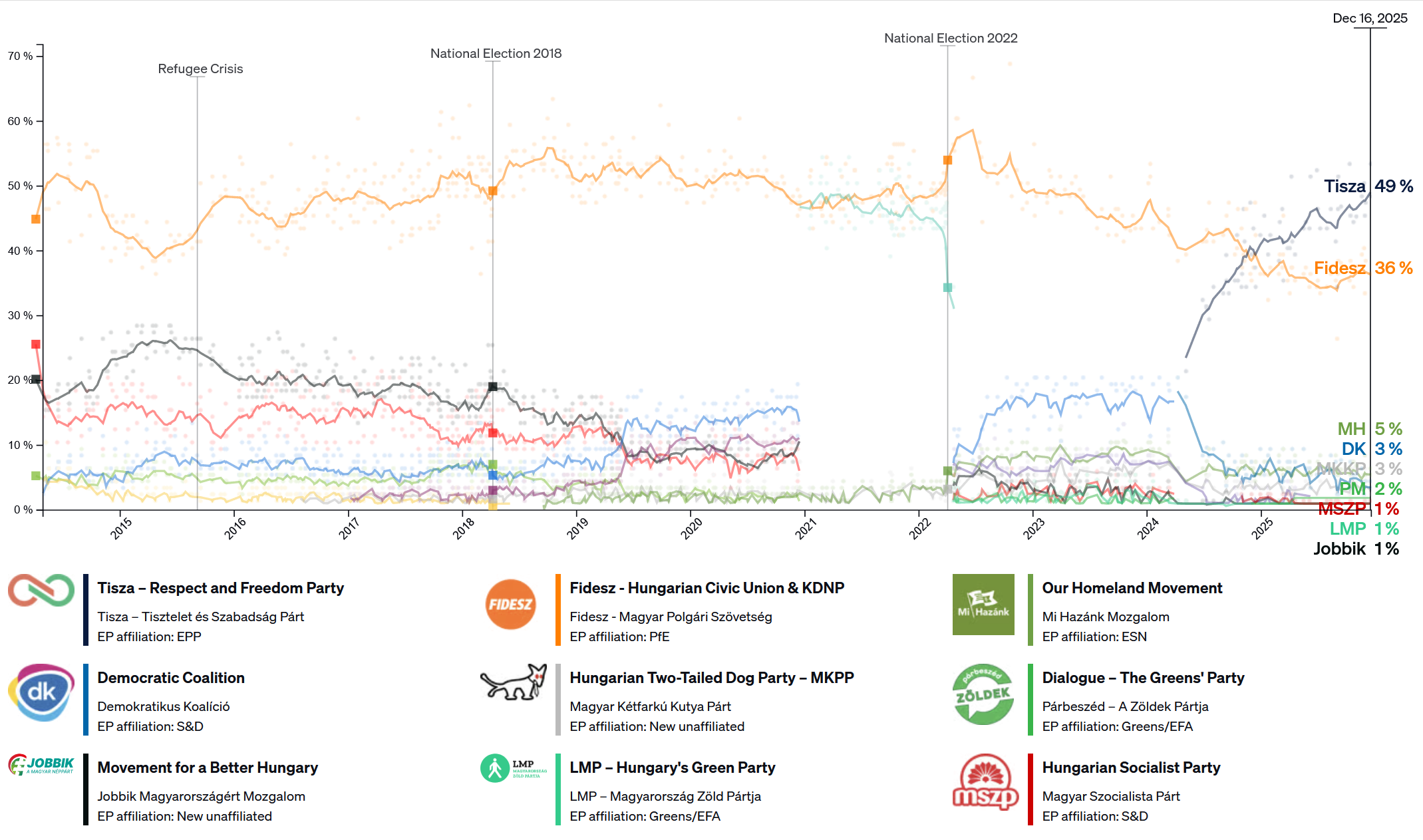
Except he didn’t have a long time to really enjoy this situation. As the Hungarian economy weakened, and became, by a lot of metrics, the 2nd poorest in the EU, and scandals started following scandals, a new challenger called Péter Magyar (literally translated Peter Hungarian) was already coming up and making increasingly confident moves. An opponent against whom he was losing steadily more and more ground and narrative battles all throughout the year.
As it stands right now, he is about to lose the upcoming April elections to someone who will attempt to steer Hungary back to Europe, and towards democracy.
He did get Czechia back as an ally though, but the far-right revolution in Romania was curbed for now, and the fact that he campaigned for their traditionally very anti-Hungarian far-right candidate didn’t sit right with the 1 million Hungarians living in Transylvania, a group he held firmly before, winning around 94% of their vote in 2022.
At the same time, he might not be perfectly happy about the approaching 2027 French elections either. Instead of Marine Le Pen, a new, way more moderate and constructive, more European friendly candidate is likely to run instead of her, and it’s to be seen how much the population of the big European countries will be happy about the US leadership trying to influence their elections and internal politics along with the Russians.
Of course, Orbán will be unlikely to go quietly. All the money and power he accumulated (stolen from European and Hungarian taxpayers) is here to stay, and will shape the far-right in Europe for years to come, even if he loses this very big battle. It will probably not be his Waterloo, but it might very well be his Stalingrad.
Indeed, in 2026 the “Populists”, “Hard Right”, “Far Right” or “New Right” parties and movements of Europe are at a crossroad. Will they continue their anti-EU stance, embrace the support from Russia and now the US as well, or will they rebrand themselves as the “protectors and saviours” of European independence and purity, learn to cooperate, and create a common far-right vision for Europe?
This would be the logical conclusion for the future of the continent’s "sovereignist" forces. They cannot achieve as much influence as they strive for with constant infighting, bringing up historical wounds, and subsequently undermining their neighbour’s far-right parties.
A Europe full of soft-core chauvinists without cooperation would hurt them more than any leftist or centrist government could. It is not in their DNA to have American, Russian, Chinese pressure and interests dominate their countries while being isolated from the rest of the continent.
They might be fine overlooking it as they gain power, but once they are holding the seat long enough, this will not work, their voters will demand someone to actually step up for their country, and maximise its sovereignty and influence on the world stage.
This will not work without the EU, and cooperation with the rest of the European states. Sooner or later, they will have to accept and say out loud that Europeans have much more in common with each other than with anyone else in this world. Otherwise, they will be swallowed by others if there is no European cooperation.
At some point, some of them (if not them, then someone entirely new) will realise that there is a market for Euro nationalism, and start pivoting from the anti-EU bandwagon to an “anti everyone who is not European” type narrative.
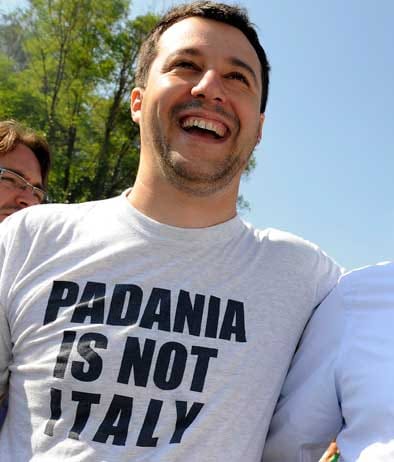
It has happened before. Matteo Salvini wanted Northern Italy to secede from the rest of the country, and had never hidden his disdain for Southern Italians, until he shifted to all-Italian nationalism in a couple of short years.
It wouldn’t surprise me if he became a European nationalist, if not before the end of the year, but before the end of the decade.
With that in mind, a reminder to countries, nations, organisations, groups, and even for individuals. You might have had a terrible year in 2025, but the tides can turn at any moment. It works the opposite way too. Neither bad nor good times last forever, and the turn can come when we least expect it.
An eventful 2026 is all but guaranteed at this point. Let's see where it takes us, and where we can all take it!
